Health-Care Technology
4 Game-Changing Healthcare Technology Trends Transforming the Industry
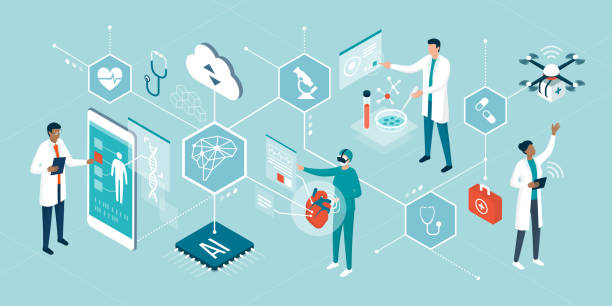
In this blog post, we’ll explore four cutting-edge healthcare technologies that are making waves today: telemedicine, wearable health tech, digital mental health platforms, and personalized medicine.
1. Telemedicine: Revolutionizing Healthcare Access
What is it?
Telemedicine allows patients to consult with healthcare professionals remotely through digital platforms, such as video calls, phone consultations, or even text messaging. This technology has gained immense popularity, especially in the wake of the COVID-19 pandemic, as it makes healthcare more accessible and convenient.
Key Benefits:
- Increased Access to Care: Patients in rural or underserved areas can receive expert advice without the need to travel long distances.
- Convenience: Telemedicine offers patients the flexibility to consult with doctors from the comfort of their homes, reducing the need for in-person visits.
- Cost Efficiency: Virtual visits are often less expensive for both healthcare providers and patients, lowering the overall cost of care.
- Faster Consultation: Telemedicine can streamline appointment scheduling, reducing waiting times and improving efficiency.
Business Opportunity:
Launching a telemedicine platform or offering telehealth services can be a lucrative business venture. Whether you’re an entrepreneur or a healthcare provider, offering telemedicine consultations can attract a broader patient base, reduce overhead costs, and enhance patient satisfaction.
2. Wearable Health Tech: Monitoring Health in Real-Time

What is it?
Wearable health technology includes devices like smartwatches, fitness trackers, and health-monitoring gadgets that provide real-time data on a user’s physical health. These devices track vital signs such as heart rate, blood pressure, sleep patterns, activity levels, and even blood sugar levels.
Key Benefits:
- Continuous Health Monitoring: Wearables allow for continuous, real-time monitoring of various health metrics, helping users and healthcare providers stay informed about their health status.
- Preventive Care: With the ability to track potential health risks like irregular heart rhythms or high blood pressure, wearables enable early intervention and preventive measures.
- Empowering Patients: Wearables give patients the tools to track their health and take proactive steps in managing chronic conditions or optimizing wellness.
- Data Integration: Wearable devices can sync with apps or electronic health records (EHR), providing healthcare professionals with detailed, real-time data for better decision-making.
Business Opportunity:
Developing wearable health devices or providing services around their use (like data analytics, health insights, or subscription-based health monitoring) presents a unique business opportunity. Companies can partner with healthcare providers to offer these devices as part of a larger wellness program or chronic disease management service.
3. Digital Mental Health Platforms: Supporting Mental Well-Being
What is it?
Digital mental health platforms are online services or apps designed to help individuals manage their mental health. These platforms offer a range of tools and resources, such as therapy sessions, stress-relief exercises, mindfulness techniques, and mood-tracking features, all accessible through a smartphone or computer.
Key Benefits:
- Accessibility & Convenience: Individuals can access mental health support without the stigma or barriers associated with in-person therapy.
- 24/7 Support: Many platforms provide on-demand resources, chatbots, or AI-driven counseling services available at any time of day, making mental health care more accessible to those in need.
- Personalized Care: Digital platforms often include features such as personalized therapy plans, mood tracking, and mindfulness exercises tailored to individual needs.
- Privacy & Confidentiality: People are more likely to seek help if they feel their privacy is respected, and digital platforms can provide a confidential environment for sensitive discussions.
Business Opportunity:
Launching a digital mental health platform can be a game-changing business idea, especially given the increasing recognition of mental health as a priority. You could offer subscription-based services for therapy, meditation, or wellness coaching, or develop specialized apps targeting specific mental health conditions such as anxiety, depression, or stress.
4. Personalized Medicine: Tailored Treatments for Optimal Health

What is it?
Personalized medicine, also known as precision medicine, involves tailoring medical treatments and healthcare plans to individual patients based on their unique genetic, environmental, and lifestyle factors. Advances in genomics and biotechnology are enabling healthcare providers to design personalized treatment plans for conditions ranging from cancer to chronic diseases.
Key Benefits:
- Targeted Treatments: Personalized medicine allows for more precise and effective treatments by identifying how specific treatments interact with an individual’s genetic makeup.
- Reduced Side Effects: By customizing treatment plans, personalized medicine minimizes the risk of side effects, as patients receive therapies suited to their unique biological profiles.
- Improved Outcomes: Tailored therapies improve patient outcomes by increasing the likelihood that treatments will work effectively, especially for complex conditions like cancer or rare diseases.
- Data-Driven Insights: With the use of genetic testing, wearable devices, and health data analytics, healthcare professionals can gain deeper insights into a patient’s needs and create more effective treatment plans.
Business Opportunity:
Personalized medicine presents a huge opportunity in both the clinical and commercial sectors. Businesses can offer genetic testing services, create platforms for personalized health management, or provide genetic counseling to help individuals understand their unique medical needs. Companies could also partner with pharmaceutical firms to develop targeted therapies or diagnostic tools.
Conclusion: The Future of Healthcare Technology

The healthcare industry is undergoing a digital revolution, and the technologies driving this change are providing new opportunities for both patients and businesses alike. Telemedicine, wearable health tech, digital mental health platforms, and personalized medicine are just the beginning of what is likely to be a continuous wave of innovation.
For entrepreneurs, healthcare tech offers a wealth of opportunities to improve patient care, reduce healthcare costs, and create more personalized, efficient, and accessible services. As technology continues to advance, we can expect even more breakthroughs in how we approach health and well-being.
If you’re interested in pursuing a tech-based healthcare business, now is the perfect time to get involved in these transformative trends. Which of these healthcare technologies are you most excited about? Let us know in the comments below!
Comments
Post a Comment